
AGING IN PLACE with ARIID Build & Remodel
We help homeowners modify their existing spaces to safely and comfortably age in place — integrating accessible design features that maintain the aesthetic quality of your home.
Accessibility Assessment
We evaluate your current home layout and identify modifications that improve safety, mobility, and comfort for aging in place.
Bathroom Modifications
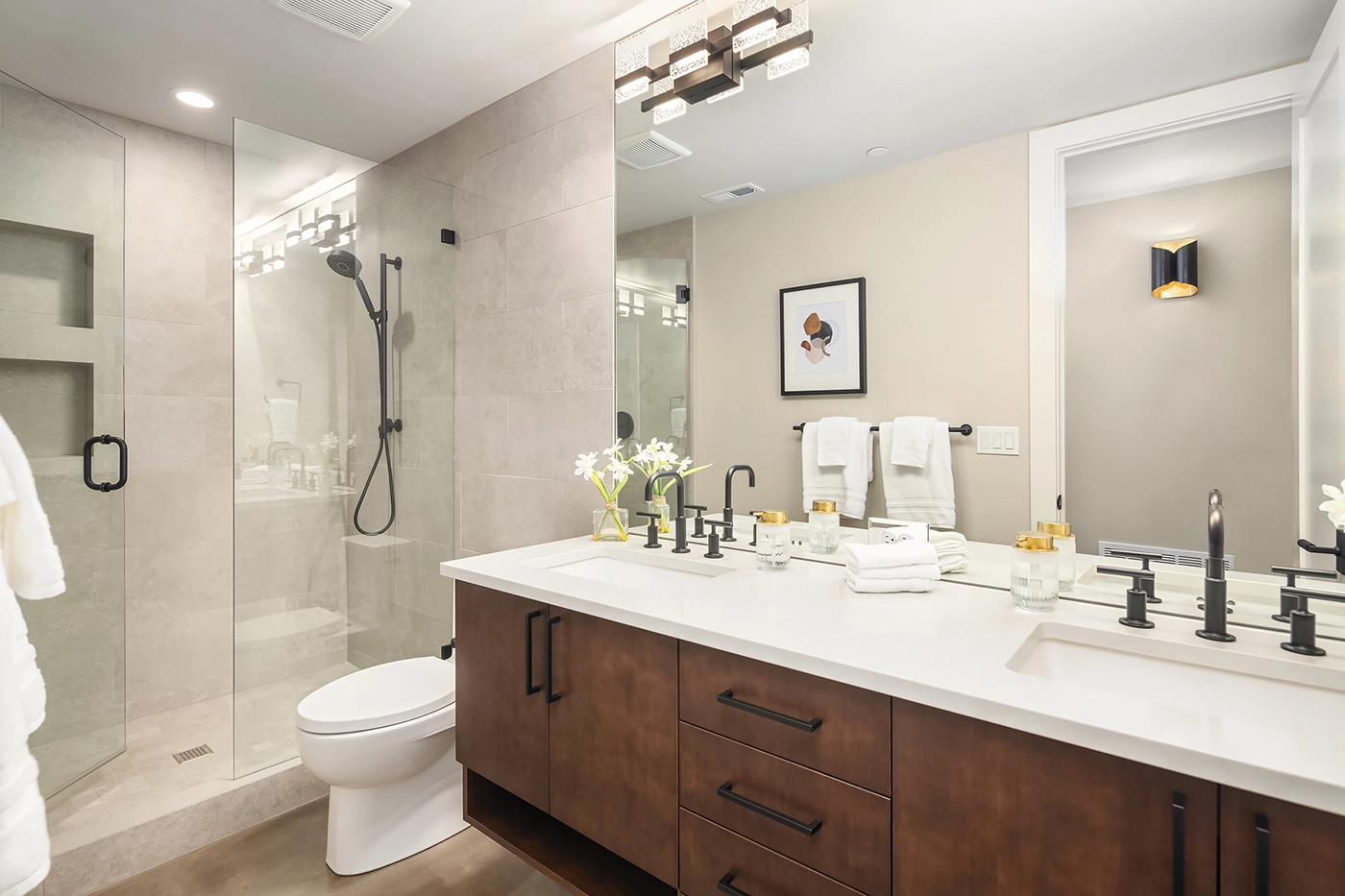
We install grab bars, roll-in showers, walk-in tubs, comfort-height fixtures, and non-slip flooring designed for safety and ease of use.
Kitchen Adaptations
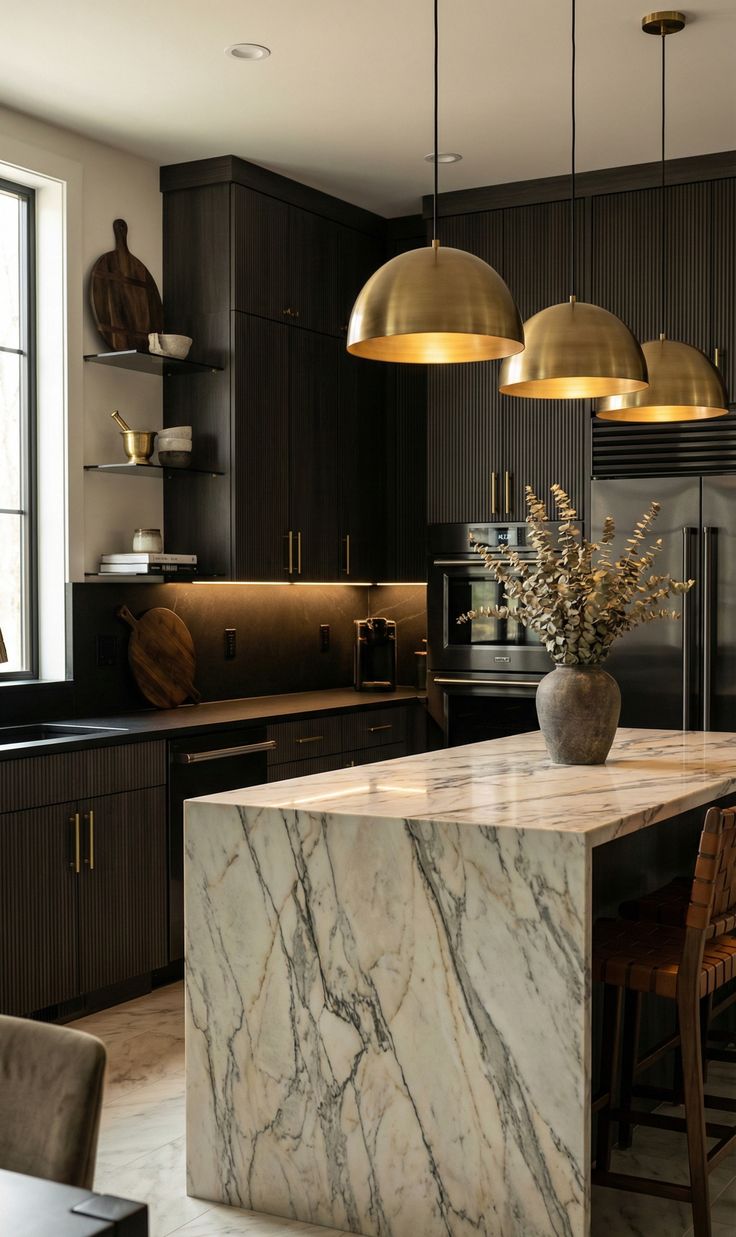
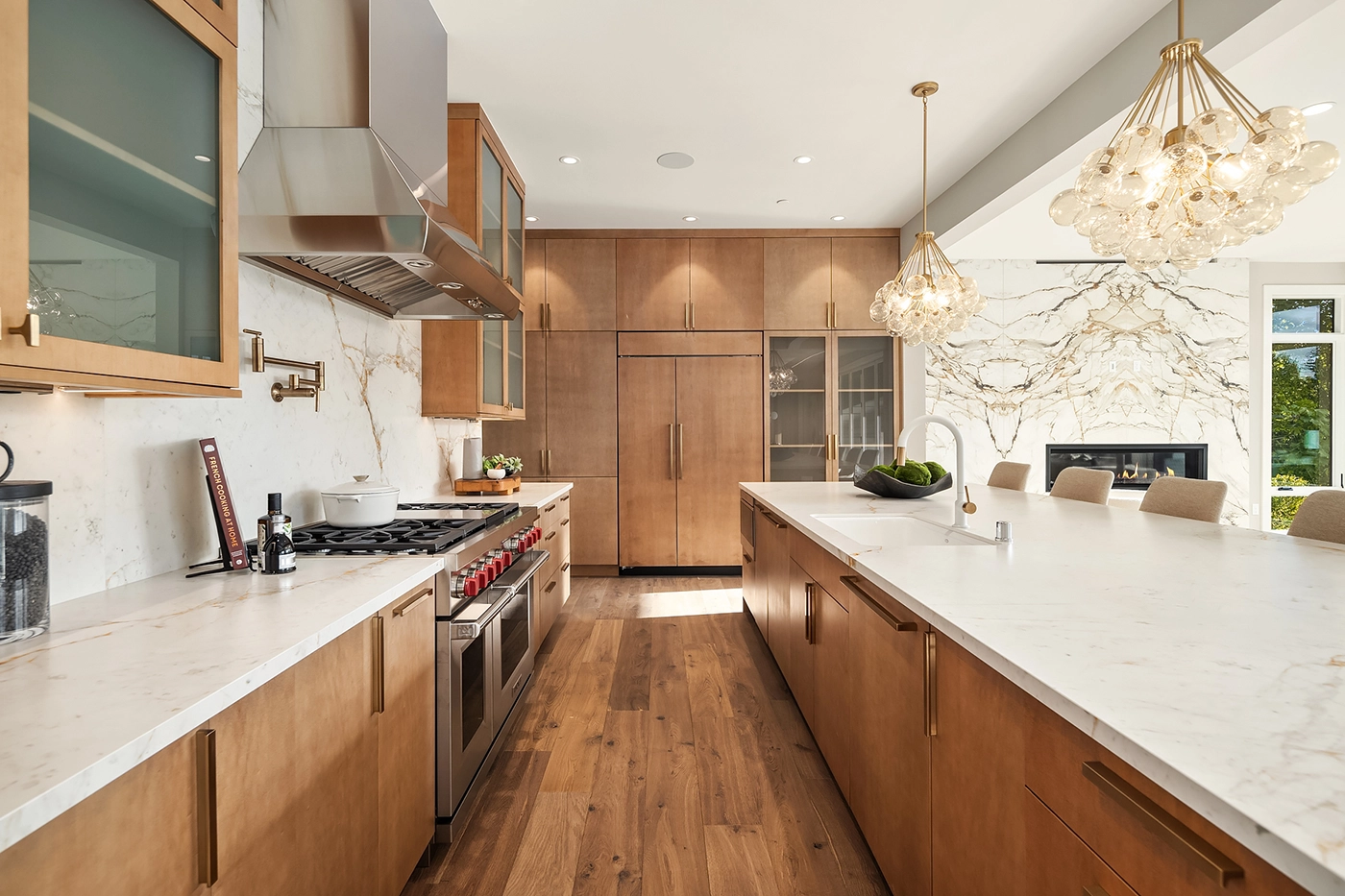
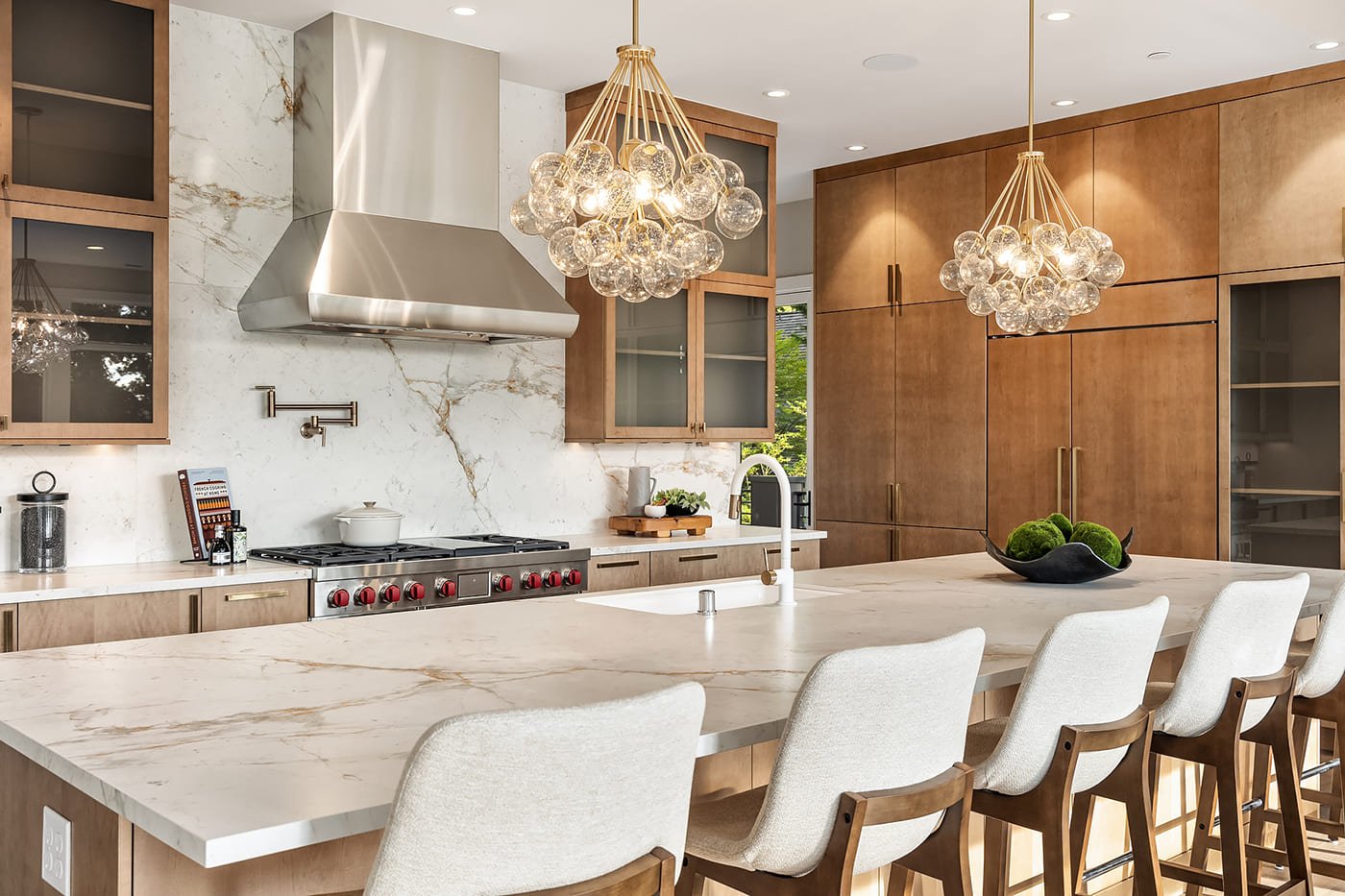
Lower countertops, pull-out shelves, lever-style fixtures, and wider clearances make kitchens accessible without sacrificing style.
Entrance & Mobility
We widen doorways, add ramps, install stair lifts, and improve lighting throughout to ensure safe movement in every area of the home.
Aging in Place Remodeling Gallery





Why Choose ARIID Build & Remodel for Aging in Place?
Frequently Asked Questions About Aging in Place Remodeling
What modifications does ARIID Build make for aging in place?
ARIID delivers a full range of aging-in-place modifications: curbless roll-in showers, strategically placed grab bars that match your fixture finishes, step-free thresholds, wider doorways for wheelchair and walker clearance, lever-style door hardware, turning-radius bathroom layouts, and kitchen modifications including lowered countertop sections and pull-out storage. We integrate these modifications into full remodel scopes so the result looks designed — not retrofitted. Every modification is permitted and inspected per the applicable building code.
Do aging-in-place modifications require building permits?
Most structural aging-in-place modifications require permits. Widening doorways involves structural work. Moving plumbing to install a roll-in shower requires a plumbing permit. Electrical modifications for heated floors or automatic lighting require electrical permits. ARIID handles every permit for every aging-in-place project — we prepare and submit all applications, manage plan review with the applicable jurisdiction, and schedule all required inspections.
Can aging-in-place modifications look like luxury design rather than medical equipment?
Yes — and this is the core of how ARIID approaches aging-in-place work. Grab bars specified in polished nickel or matte black to match your faucets. Curbless showers with large-format stone tile and a teak bench that would appear in any luxury spa. Lever hardware in unlacquered brass or brushed chrome. Wider doorways trimmed to match your existing millwork profile. The modifications that make a home safer for long-term occupancy are the same modifications that make a bathroom feel like a five-star hotel. ARIID designs them as one.
What is the difference between aging in place remodeling and a standard remodel?
Aging in place remodeling focuses on accessibility, safety, and long-term livability — grab bars, curbless showers, wider doorways, and smart home controls. A standard remodel may update aesthetics or layouts without addressing these functional needs. ARIID Build integrates universal design principles so your home looks beautiful and functions safely for decades.
How much does aging in place remodeling cost in Kirkland or Bellevue?
Projects range widely based on scope. A single-bathroom accessibility modification typically runs $15,000–$45,000 in the Kirkland and Bellevue market. A whole-home universal design remodel can run $150,000–$400,000+. ARIID Build provides detailed cost plans after an initial consultation and site assessment — contact us for a free estimate.
Does ARIID Build handle permits for aging in place modifications?
Yes. ARIID Build manages all permit submissions with the City of Kirkland, City of Bellevue, and other Eastside jurisdictions as part of our design-build scope. Structural grab bar installations, doorway widening, and residential elevator additions typically require permits; we handle every step of the process.
How do I get started with my aging in place remodeling project?
The first step is scheduling a free consultation with ARIID Build. We visit your home, evaluate your current layout, discuss your mobility goals and budget, and provide a written scope and cost plan. Projects typically begin design within 2–4 weeks of contract signing. Contact us at our Kirkland office to schedule.
What Is the Difference Between ADA Compliance and Aging in Place Design?
ADA (Americans with Disabilities Act) compliance sets minimum accessibility standards for commercial and public facilities. Aging in place design applies similar principles to private residences — curbless showers, 36-inch clear doorway widths, lever hardware, blocking for grab bars — but without the legal mandate. The goal in aging in place residential work is not compliance with a code; it is designing a home that functions beautifully for a wide range of physical capacities without looking clinical or institutional. ARIID designs aging in place modifications that read as luxury design decisions, not accessibility accommodations.
Can Aging in Place Modifications Be Done in Phases?
Yes, and ARIID often recommends a phased approach. Phase one typically addresses the modifications with the greatest immediate safety impact — the primary bathroom, the main entry, and any significant fall hazards. Phase two may address doorway widening, kitchen modifications, or an ADU or main-floor bedroom addition for future single-level living. Planning the full scope upfront — even if execution is phased — ensures that phase one work is compatible with phase two without unnecessary demo or rework.
You might also like
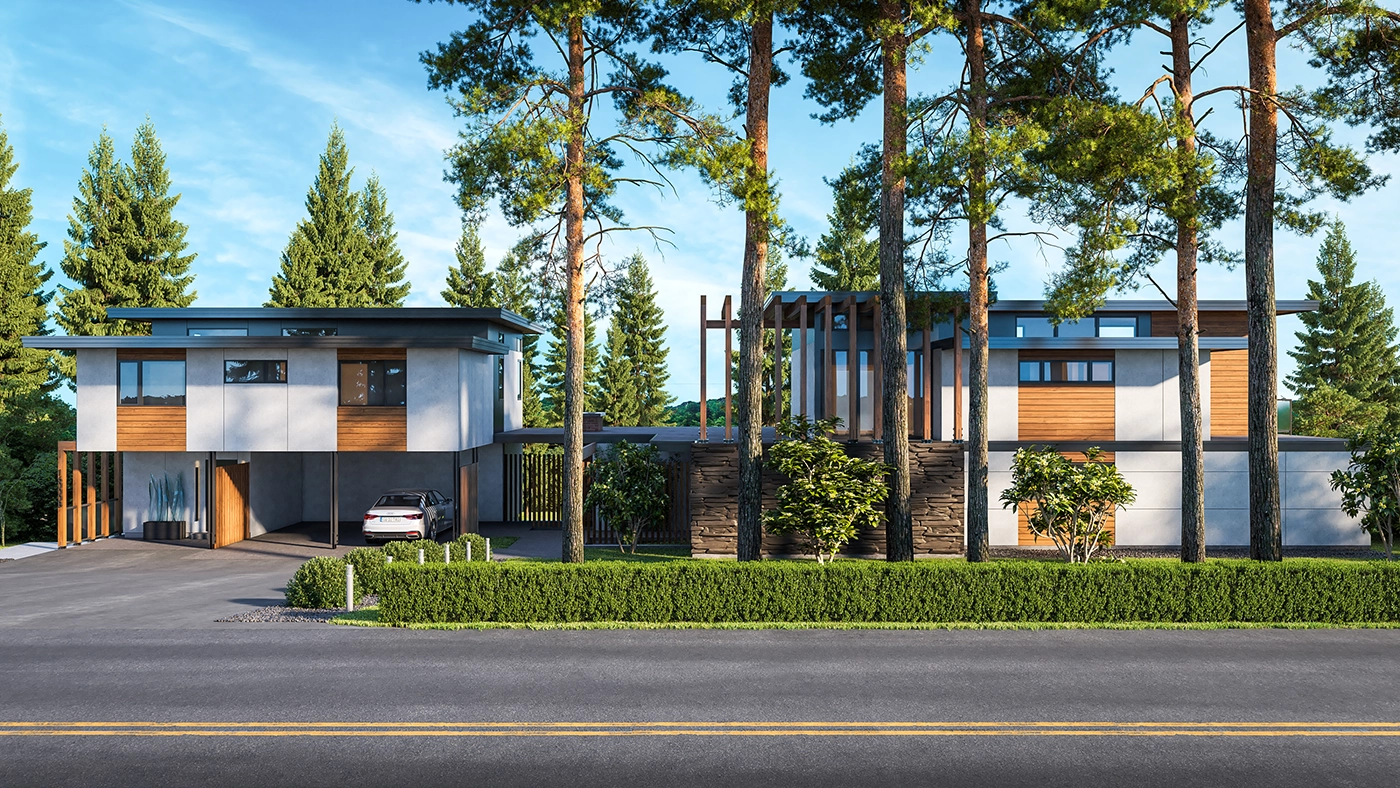
Looking for comprehensive kitchen remodeling services in Kirkland & Bellevue? ARIID Build & Remodel offers fully integrated design and construction under one roof — from concept through completion.